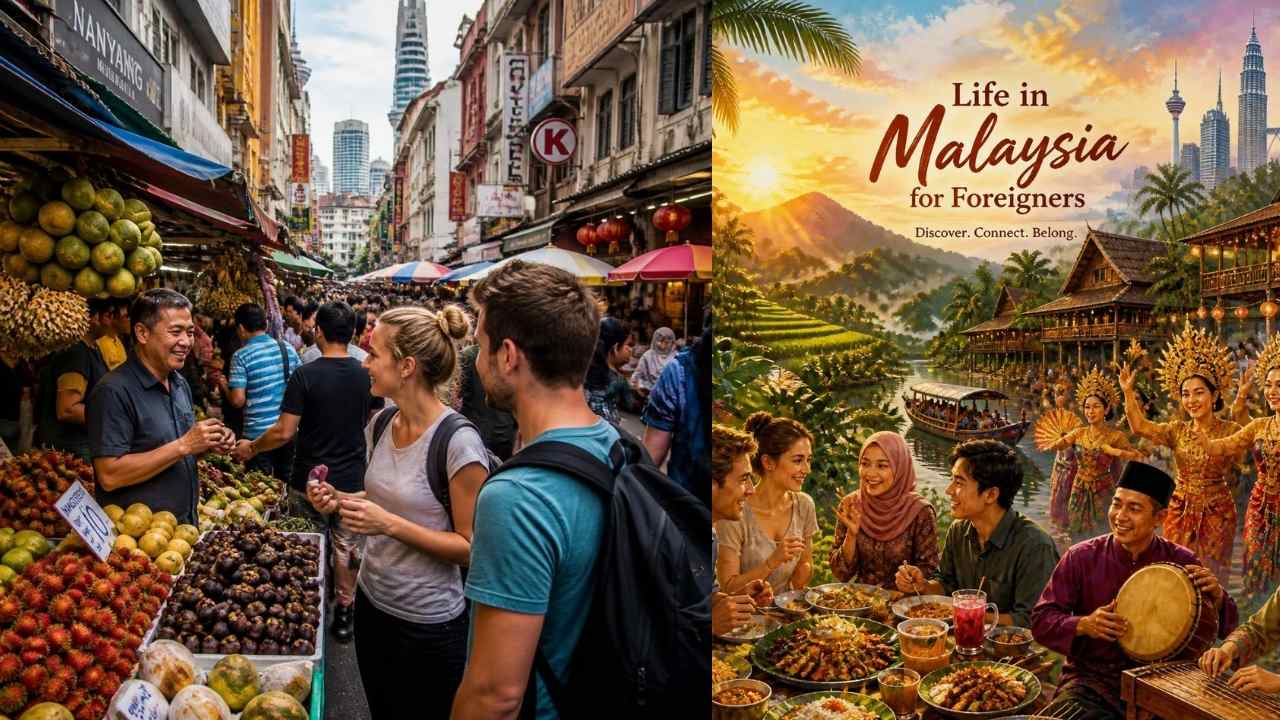
Maria landed at Kuala Lumpur International Airport with two suitcases, a laptop bag and a job offer she had accepted over a video call three weeks earlier. By the end of her first week she had a furnished condo with a pool, a local SIM card, and a group chat full of other newly arrived expats who had found her through a Facebook group before she had even left her old apartment. Her story is not unusual. It is, in many ways, the standard entry point into life in Malaysia for foreigners.
So what is life in Malaysia for foreigners actually like? In short, it is affordable, comfortable and easier to settle into than most people expect. English is widely spoken, private healthcare is excellent and inexpensive by Western standards, and a single person can live well on roughly $1,000 to $1,500 USD a month, while a couple can manage comfortably on around $2,500 USD. The trade-offs are mostly about paperwork, property rules and getting used to the traffic.
Key Takeaway: Life in Malaysia for foreigners combines a low cost of living with modern infrastructure and an established expat network, making the transition faster than in most Southeast Asian countries.
How Much Does It Cost to Live in Malaysia as a Foreigner?
A single foreigner typically spends between $1,000 and $1,500 USD per month, covering rent, food, transport and utilities. A couple can live comfortably on approximately $2,500 USD a month, including a modern condo with a pool and gym.
Rent is one of the biggest reasons expats choose Malaysia over Singapore or Hong Kong. A high-rise apartment in a secure complex, often with a pool and 24-hour security, rents for a fraction of what similar amenities cost in most Western cities. Eating out is equally affordable. A meal at a hawker center in Kuala Lumpur or George Town typically costs $2 to $3 and a full sit-down dinner rarely climbs above $15 to $20 per person.
| Expense Category | Single Person | Couple |
|---|---|---|
| Total monthly budget | $1,000–$1,500 | ~$2,500 |
| Condo rent (modern, pool and security) | $500–$700 | $700–$900 |
| Hawker meal | $2–$3 | $4–$6 |
| Home internet (1GB fiber plan) | ~$50/month | |
| Scooter (used, 125cc) | ~$500 | |
Imported goods are the exception to the low-cost rule. Wine and other imported alcohol carry heavy duties, so a bottle that might cost $9 at home can cost $20 or more in Malaysia. Anyone budgeting for life in Malaysia for foreigners should plan for this gap between locally produced goods, which are cheap and imported luxury items, which are not.
Key Takeaway: Everyday living costs in Malaysia are low, but imported items like wine carry a noticeable markup due to import taxes.
How Does Property Ownership and Renting Work for Foreigners?
Foreigners can rent freely almost anywhere but buying property comes with a minimum price threshold set by the state government, often above $250,000 USD depending on the region. Malaysia is one of the few countries in Asia where foreigners can legally own freehold property, which is a major draw for long-term expats and retirees.
Read More: Unskilled Jobs in Malaysia for Foreigners
Renting is the more common route for newcomers. A two-bedroom condo in a well-maintained building in areas like Bangsar or Mont Kiara in Kuala Lumpur or Tanjung Bungah in Penang, gives access to a pool, gym and gated security without the commitment of a purchase. Buyers should expect state and federal paperwork that moves slowly, so flipping property quickly is not realistic here.
Key Takeaway: Renting is simple and affordable for foreigners, while buying is possible but subject to minimum price thresholds and slower paperwork.
Where Should Foreigners Live in Malaysia?
The right city depends on lifestyle. Kuala Lumpur suits career-driven professionals, Penang appeals to retirees and remote workers, and Johor Bahru or Ipoh suit those who want a quieter, suburban pace close to modern amenities.
Kuala Lumpur: The Career and Networking Hub
Kuala Lumpur is the natural choice for foreigners working in finance, tech or multinational companies. Bangsar and Mont Kiara are the two neighborhoods most popular with the expat community in Kuala Lumpur, both offering international schools, Western-style supermarkets and a dense cluster of coworking spaces.
Penang: Food, Retirement and a Slower Pace
George Town in Penang has built a reputation as one of Asia’s best food cities and it consistently attracts retirees and remote workers who want island living without giving up modern conveniences. Membership at the Penang Sports Club runs about $3,000 as a one-off fee for a couple, while the Penang Swimming Club, considered the premier facility in the north of the country, costs around $6,000 per couple. Both are popular ways for new arrivals to meet people quickly.
Johor Bahru and Ipoh: Quieter, Suburban Living
For foreigners who want lower density and a slower rhythm without sacrificing modern amenities, Johor Bahru and Ipoh are the go-to alternatives. Johor Bahru also benefits from proximity to Singapore, which appeals to remote workers who occasionally need to cross the border for meetings or flights.
Key Takeaway: Kuala Lumpur suits career-focused expats, Penang suits retirees and food lovers, and Johor Bahru or Ipoh suit those seeking a quieter suburban lifestyle.
What Is Healthcare Like for Foreigners in Malaysia?
Private healthcare in Malaysia is high quality and significantly cheaper than in the United States or much of Western Europe, though foreigners need private health insurance since public subsidies are reserved for citizens. A specialist consultation typically costs around $50 and a hip replacement runs approximately $5,000 a fraction of comparable procedures in the United States.
Private hospitals in Kuala Lumpur and Penang are accustomed to treating international patients and often have English-speaking staff throughout. Appointment wait times are also shorter than in many public healthcare systems abroad, since private clinics operate largely on a walk-in or same-week basis. This is one of the strongest arguments in favor of private healthcare Malaysia offers to the expat community and it is frequently cited as a top reason retirees choose the country.
Key Takeaway: Private healthcare in Malaysia is affordable and high quality, but foreigners must budget for private insurance since they cannot access subsidized public care.
Do Foreigners Need to Speak Malay to Live in Malaysia?
No, English is widely spoken in business, healthcare and daily life across Malaysia’s major cities, so foreigners can function comfortably without learning Malay. Road signs are printed in both English and Malay and most government and banking staff in urban areas communicate fluently in English.
That said, learning basic Malay phrases helps with day-to-day interactions in smaller towns, local markets and government offices outside the main cities, and it tends to earn a warmer reception from locals. Malaysians are frequently described by long-term expats as unusually welcoming, and a small effort with the language often goes a long way in building community.
Key Takeaway: English is sufficient for daily life in Malaysia’s cities, though basic Malay is useful outside urban centers and helps with local integration.
What Visa Options Exist for Foreigners Moving to Malaysia?
The best-known long-term option is the Malaysia My Second Home program, or MM2H, a renewable multi-year residency visa aimed at retirees and financially self-sufficient foreigners. Under MM2H, foreign-sourced income can qualify for tax exemptions, while income earned locally is taxed under standard Malaysian rules.
Read More: What to Buy in Malaysia for Foreigners
The MM2H program has gone through several rounds of revisions over the years, including tighter financial requirements introduced in the early 2020s and applicants should check current eligibility criteria before applying, since terms remain subject to periodic government review as of 2026. For official and current visa requirements, applicants should consult the Malaysia Immigration Department website directly rather than relying on secondhand summaries.
Beyond MM2H, foreigners working for Malaysian companies typically enter on employment passes sponsored by their employer, while shorter stays for remote work or tourism fall under separate visa categories with their own duration limits.
Key Takeaway: MM2H remains the primary long-term residency route for foreigners, though its requirements have tightened over time and should be verified directly with immigration authorities before applying.
Is Malaysia Safe for Expats?
Yes, Malaysia has a comparatively low crime rate and a high standard of living, and violent crime against foreigners is rare in the areas where most expats settle. As with any country, petty theft and scams targeting tourists occur in busy commercial districts, so standard precautions around valuables and late-night travel still apply.
Expat community groups on Facebook are also a practical safety resource, since new arrivals can quickly get local advice on which neighborhoods to avoid at night or which areas are best for families with children.
Key Takeaway: Malaysia is considered safe for foreigners overall, with a low crime rate, though everyday precautions against petty theft remain sensible.
What Is the Climate Like in Malaysia?
Malaysia has a tropical climate with an average daily temperature around 85°F a drier season from January through August and a monsoon season bringing heavy rainfall, particularly from September through November. Modern homes and offices are heavily air-conditioned, which makes the heat manageable for most newcomers within a few weeks.
The monsoon months bring short but intense afternoon downpours rather than all-day rain, and Malaysia still gets a reasonable amount of sunshine even during the wettest stretches of the year. Foreigners moving from temperate climates usually adjust faster than expected, in part because air conditioning is standard in nearly every apartment, mall and office building.
Key Takeaway: The climate is consistently hot and humid year-round, with a distinct monsoon season, but heavy air conditioning in modern buildings makes daily life comfortable.
How Do Foreigners Get Around in Malaysia?
Most foreigners rely on a mix of ride-hailing apps, scooters and cars, since public transport coverage varies by city. A used Honda 125cc scooter costs around $500, while a new Vespa runs closer to $4,000 and both are common choices for short commutes within cities like Penang and Kuala Lumpur.
Kuala Lumpur has the most developed public transit network in the country, including light rail and monorail lines that connect major business districts. Outside the capital, a car or scooter becomes far more practical, and road signage in both English and Malay makes navigation straightforward even for new arrivals who do not yet read Malay fluently.
Key Takeaway: Kuala Lumpur offers reasonable public transit, but most foreigners elsewhere rely on scooters, cars or ride-hailing apps to get around comfortably.
Building a Life: Community, Work and Daily Routine
According to a 2025 InterNations Expat Insider-style survey trend, Malaysia consistently ranks among the more affordable destinations for expats in Asia, a pattern that lines up with what long-term residents report on the ground. New arrivals typically build a social circle within the first few months through Facebook expat groups, coworking spaces, and recreational clubs.
Remote workers have found Penang particularly attractive since 2023, as reliable fiber internet, a lower cost of living than Kuala Lumpur, and an established digital nomad community have made it a practical base rather than just a retirement destination. A 1GB home fiber plan through a major provider costs about $50 a month, which is sufficient for most remote work setups including video calls and cloud-based tools.
For those weighing Malaysia against nearby alternatives, it is worth comparing costs directly. Malaysia generally comes out ahead on English proficiency and healthcare access, while other Southeast Asian destinations may offer marginally lower costs in specific categories.
Key Takeaway: Malaysia’s combination of affordability, English proficiency and an active expat network has made it increasingly popular with remote workers, not just retirees.
Frequently Asked Questions About Life in Malaysia for Foreigners
Is Malaysia safe for expats?
Yes. Malaysia has a low crime rate and a high standard of living, and violent crime against foreigners is uncommon, though usual precautions against petty theft still apply.
Can I buy property in Malaysia as a foreigner?
Yes, foreigners can buy freehold property in most states, subject to a minimum purchase price that is often above $250,000 USD and varies by state.
Do I need to speak Malay to live in Malaysia?
No. English is widely used in business, healthcare and daily life in major cities, though basic Malay is helpful outside urban areas.
How much does it cost to live in Malaysia as a foreigner?
A single person typically spends $1,000 to $1,500 USD a month, while a couple can live comfortably on approximately $2,500 USD a month.
What is the MM2H visa and who qualifies?
MM2H or Malaysia My Second Home, is a renewable long-term residency program for foreigners who meet specific financial requirements, with foreign-sourced income potentially eligible for tax exemptions. Requirements have changed over time, so applicants should confirm current criteria with Malaysian immigration authorities.
Is healthcare good for foreigners in Malaysia?
Yes. Private hospitals offer high-quality care at low cost, with specialist visits around $50, though foreigners need private insurance since public subsidies apply only to citizens.
Which city is best for foreigners moving to Malaysia?
Kuala Lumpur suits career-focused professionals, Penang suits retirees and remote workers, and Johor Bahru or Ipoh suit those wanting a quieter, suburban lifestyle.
What is the weather like in Malaysia year-round?
Malaysia is hot and humid year-round, averaging around 85°F, with a drier season from January to August and a monsoon season bringing heavier rainfall later in the year.